


If you make a purchase after clicking on links within this article, Lee Enterprises may earn affiliate commissions. The news and editorial departments had no role in the creation or display of this content.
Shilajit’s reputation is usually built on folklore, but its value may come down to chemistry — not mythology. Real shilajit contains fulvic acid, dibenzo-α-pyrones (DBPs), phenolic metabolites, and trace minerals that work to directly influence mitochondrial output, hormonal signaling, and cellular resilience. The problem may be that most products on the market still behave like ceremonial pastes rather than standardized nutraceuticals.
Quality in this category has nothing to do with the jar, the “altitude,” or the story printed on the label. It comes down to quantification:
• What percentage of fulvic acid is present?
People are also reading…
• Are DBPs actually measured?
• Is the mineral profile validated?
• Does the brand control for batch drift?
Some brands may not be able to answer any of these questions — which is why this list focuses exclusively on formulas with verifiable biochemical structure rather than vague sourcing claims.
Below are the shilajit products that may actually function as modern, evidence-aligned extracts.
Editors Picks
Best Shilajit Supplement – Elm and Rye
Best Shilajit Resin – Nootrum Shilajit Resin
Best Shilajit Gummies – Angel Gummies
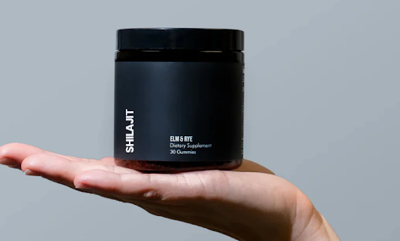
1. Elm & Rye Shilajit Capsules — Best Shilajit Brand Overall
Format: Capsule
Standardization: Fulvic acid + defined mineral ratios
Notable Features: Controlled extraction, predictable potency, no resin handling
Elm & Rye delivers shilajit as a precision supplement rather than a cultural artifact. Each capsule is formulated to contain a quantified extract with stable fulvic levels and a consistent mineral matrix, possibly eliminating the variability that plagues traditional resins. The controlled dosing and clean formulation may make it the most practical daily option for users who prioritize reliability over ritual.
Potential Pros:
• Verified fulvic concentration
• Zero-mess, compliance-friendly dosing
• Fully purified and third-party tested
• No contaminants or filler compounds
Cons:
• Less appealing for users who prefer resin ritual
• High demand can outpace supply
Conclusion:
For anyone who wants potentially stable, day-in/day-out results, this may be the most logically engineered shilajit on the market. Consistency is its competitive edge.
2. Nootrum Shilajit Resin — Best Shilajit Resin
Format: Resin
Standardization: 85% fulvic acid + laboratory-verified DBPs
Notable Features: High-density Himalayan resin with rare dual-standardization
Nootrum approaches resin the way performance brands should: with real analytics. It may be one of the few products that quantifies both fulvic acid and DBPs — the compounds most strongly connected to testosterone modulation, ATP regeneration, and cellular stress resistance. The resin appears to be undeniably potent, though it requires the classic heating and dosing workflow.
Potential Pros:
• Extremely high fulvic acid density
• Measured DBP content — critical for performance outcomes
• Potent bioenergetic effect profile
• Authentic Himalayan sourcing with traceability
Cons:
• Sticky and slow to dose
• Not ideal for newcomers
• Strong flavor and texture
Conclusion:
If your priority is biochemical intensity rather than convenience, this may be the apex resin. Designed for users who want potentially measurable output, not gentle supplementation.
3. Angel Gummies — Best Budget Starter Option
Format: Gummies
Standardization: Fulvic acid
Notable Features: Vegan-friendly, approachable format, cost-effective
Angel Gummies may provide the lowest-friction entry into shilajit: easy flavor profile, consistent manufacturing, and a modest but legitimate fulvic content. They may not compete with resin or capsules in terms of potency, but they could function well for users seeking mild metabolic or mood support without committing to stronger formulations.
Potential Pros:
• Pleasant and easy daily use
• Affordable price point
• Clean formula with basic standardization
Cons:
• Low active density
• Not suitable for performance or hormone-focused goals
• capped potency due to gummy format
Conclusion:
This may be a practical option for beginners who want to explore shilajit’s baseline benefits. Not engineered for heavy lifting, but could be reliable at its intended intensity.
4. Cymbiotika Shilajit — Best Premium Liquid
Format: Liquid (dropper)
Standardization: Fulvic acid + trace mineral profile
Notable Features: MCT carrier, added noble metals, premium formulation
Cymbiotika positions its shilajit as a refined, high-end extract. The liquid base is clean, the fulvic profile is stable, and the MCT carrier works to improve dispersion and uptake. The added gold and silver serve more as branding enhancers than functional components, but the underlying extract seems legitimate. This is a convenience-forward formula framed as luxury.
Potential Pros:
• Clean extraction and reproducible fulvic content
• May provide smooth absorption through lipid-based carrier
• High-end presentation and user experience
Cons:
• Elevated price relative to potency
• Small volume per bottle
• Additives do not meaningfully enhance bioactivity
Conclusion:
A premium liquid option for users who want fast absorption and an upscale feel. Strong on refinement; weaker on milligram-per-dollar efficiency.
5. NusaPure Shilajit — Best High-Dose Capsule
Format: Capsule
Standardization: High milligram load (1500 mg per serving)
Notable Features: Large daily dose, strong price-to-quantity advantage
NusaPure caters to users who prefer high-volume intake over biochemical precision. The serving size is substantial, and the price point is accessible, making it potentially suitable for short-term high-dose experimentation. However, the extract lacks DBP quantification and detailed mineral profiling, so response consistency may not be guaranteed.
Potential Pros:
• Very high mg content
• Excellent cost efficiency
• Straightforward daily dosing
Cons:
• No DBP standardization
• Limited transparency on sourcing
• Potency varies between batches
Conclusion:
A utilitarian formula for megadosers. Strong for quantity-driven protocols; not a controlled extract for targeted performance.
6. Sunfood Shilajit Powder — Best for Smoothie Integration
Format: Powder
Standardization: Non-quantified mineral pitch
Notable Features: Easily blendable, compatible with functional nutrition stacks
Sunfood’s powder is designed for users who fold shilajit into broader health blends rather than rely on it as a standalone supplement. It mixes cleanly into smoothies, coffee, or tonic drinks and provides flexible dosing. Without fulvic or DBP standardization, however, potency may be inherently variable and unsuitable for users seeking biochemical precision.
Potential Pros:
• Highly mixable and versatile
• Long-lasting bulk format
• Easy incorporation into daily routines
Cons:
• No standardized actives
• Unpredictable potency
• Not appropriate for hormone or ATP-targeted use
Conclusion:
This may be ideal for lifestyle integration, not performance optimization. It might also work well in blends, but lacks the quantification required for structured protocols.
7. Upakarma Ayurveda Shilajit Resin — Best Traditional Resin
Format: Resin
Standardization: None listed
Notable Features: Traditional presentation, classic Himalayan resin approach
Upakarma appeals to users who value shilajit’s cultural roots rather than modern analytical rigor. The resin is authentic in texture and sensory profile, but the absence of fulvic or DBP quantification may result in meaningful batch variability. It may function more as a traditional botanical than a controlled nutraceutical.
Potential Pros:
• Classic resin experience
• Lower price than most resin competitors
• Popular among traditionalist users
Cons:
• No quantifiable actives
• High variability between jars
• Minimal transparency in testing
Conclusion:
A traditional resin for ritual-oriented users. It may not be suited for individuals requiring controlled, measurable outcomes.
8. Pure Himalayan Shilajit Resin — Best Resin for Purists
Format: Resin
Standardization: Minimal
Notable Features: Authenticity-focused packaging, dosing spoon, high-altitude sourcing narrative
Pure Himalayan emphasizes heritage, authenticity, and artisanal presentation. The resin is dense, aromatic, and well-liked among purists who want the sensory experience of “classic” shilajit. But with no verified fulvic or DBP values, potency may fluctuate. The price also leans high given the absence of standardization.
Potential Pros:
• Strong traditional profile
• Thoughtful presentation and dosing tools
• Recognizable sourcing claims
Cons:
• Weak biochemical verification
• Variable potency
• Premium cost without quantification
Conclusion:
It may be best for users who enjoy ritual and tradition. Not appropriate for performance users who need stable, data-backed dosing.
9. Double Wood Shilajit — Best Value for Beginners
Format: Capsule
Standardization: 20% fulvic acid
Notable Features: Transparent labeling, GMP manufacturing, budget accessibility
Double Wood offers a predictable, low-cost starting point for shilajit experimentation. The fulvic acid level is clearly stated, the product is third-party tested, and the capsule format may improve compliance. Effects may be milder than high-density extracts but could prove far more consistent than unstandardized resins.
Potential Pros:
• Affordable and accessible
• Verified fulvic acid percentage
• Manufactured under strict quality controls
Cons:
• Low overall bioactive density
• No DBP quantification
• Limited relevance for advanced goals
Conclusion:
This may be a reliable entry-level formula for beginners. Clean, safe, and predictable — but not engineered for high-demand supplementation.
10. Sayan Siberian Shilajit — Best Non-Himalayan Resin
Format: Resin
Standardization: Claimed 40%+ fulvic acid
Notable Features: Altai (Siberian) origin, raw resin profile, unique geographic source
Sayan may offer one of the few legitimate non-Himalayan shilajit options. The Siberian resin is dense and distinctly aromatic, appealing to users exploring regional variations. However, DBPs are not measured, and the scientific literature on Siberian bioactivity may be limited compared to Himalayan sources, leaving its potency profile speculative.
Potential Pros:
• Distinct regional sourcing
• Strong raw resin texture
• Available in practical bulk formats
Cons:
• No DBP verification
• Limited research on this regional variant
• Transparency fluctuates across batches
Conclusion:
A credible but less studied alternative resin. Suitable for curious users, but may not be ideal for those requiring validated, performance-aligned extracts.
Final Thoughts
The 2025 shilajit landscape is divided into two clear categories:
1. Standardized extracts with quantified fulvic acid, DBPs, and validated mineral profiles.
2. Traditional resins marketed through origin stories rather than measurable chemistry.
Only the first category might be able to deliver predictable physiological outcomes. Without verified active compounds, potency may shift from jar to jar, making structured supplementation unreliable.
Elm & Rye remains the most engineered, compliance-friendly option – designed for users who prioritize stability and reproducibility. Nootrum’s resin is the biochemical outlier: high density, high activity, and may be appropriate for users willing to trade convenience for potency. Everything else in the ranking aligns with specific user profiles: budget entry points, ritual-centric resins, lifestyle powders, and premium liquids.
The governing rule is consistent across the entire category:
If a shilajit product cannot quantify fulvic acid and DBPs, it cannot guarantee performance. Modern supplementation requires data, not mythology.
Shilajit FAQ
Is shilajit actually effective?
It may be when standardized. Fulvic acid works to enhance nutrient transport and mitochondrial efficiency, while DBPs may influence testosterone pathways, ATP regeneration, and cellular resilience. Non-standardized resins show inconsistent effects because their active levels fluctuate.
Which form may deliver the most reliable results?
• Capsules: Best for consistency and predictable dosing (Elm & Rye).
• Resin: Highest potency only when DBPs and fulvic acid are quantified (Nootrum).
• Gummies: May be suitable for introductory use, but not performance applications (Angel).
The extraction and analytics may matter more than the format.
What fulvic acid percentage should I look for?
Under 20% = minimal physiological relevance.
50-85% = performance-relevant range.
However, fulvic acid alone may be incomplete – DBPs could determine the extract’s hormonal and bioenergetic potential.
Does resin outperform capsules?
It may, but only if the resin is standardized. Most resins are not. A quantified capsule may consistently outperform a non-standardized resin, regardless of traditional appeal.
Can shilajit increase testosterone?
Standardized extracts with measurable DBP density may show positive effects on testosterone and recovery metrics. Generic powders and unprofiled resins rarely produce consistent outcomes due to active-compound variability.
How long does it take to notice any potential effects?
• Energy and cognitive support: ~10-14 days
• Testosterone and recovery changes: ~ 6-8 weeks of consistent use
Potent resin may act slightly faster because of higher DBP content. Always remember: your individual results may vary.